


Juja Farm Real Estate Boom: From Sisal Fields to Property Goldmine
uja Farm is rapidly transforming from farmland into a real estate hotspot near Nairobi. Discover the opportunities, risks, and investment insights behind its rapid property boom.

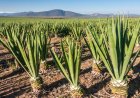
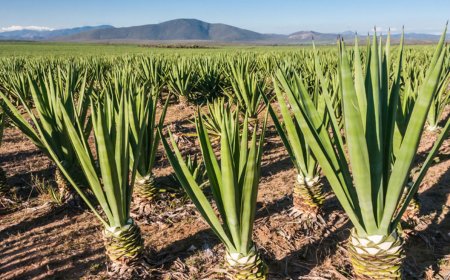
Juja Farm is no longer the quiet agricultural settlement it once was. What used to be vast stretches of sisal plantations has rapidly transformed into one of Kenya’s most talked-about real estate hotspots. Today, the area stands as a clear reflection of Nairobi’s outward expansion—where demand for affordable land and housing is reshaping entire communities almost overnight.
Over the past two decades, land prices in Juja Farm have skyrocketed. Plots that once sold for a few hundred thousand shillings are now commanding prices in the millions. This sharp rise is not accidental. It is driven by a combination of infrastructure development, population pressure from Nairobi, and aggressive land subdivision strategies that have made ownership more accessible to middle-income buyers.
This transformation tells a deeper story—one not just about land, but about how cities grow, how wealth is created, and how opportunity often comes disguised as chaos.
Why Juja Farm Is Attracting Investors
The growth of Juja Farm is anchored in one key reality: Nairobi is expanding, and people are moving outward. As land within the city becomes increasingly unaffordable, areas like Juja offer a practical alternative. With improved road networks connecting the area to Thika Superhighway and other key routes, commuting has become easier, making Juja Farm a viable residential option for many working in Nairobi.
Infrastructure has played a major role in unlocking this value. Access to electricity, water, and better roads has turned previously inaccessible farmland into livable, buildable property. This has triggered a wave of developers, land-buying companies, and individual investors rushing to secure a piece of what appears to be the next urban frontier.
Another critical driver is land subdivision. Originally, large parcels of land dominated the area. Today, those parcels are being broken down into smaller plots—50x100 and even 40x80—making it easier for more people to enter the property market. This accessibility has fueled demand, and demand has pushed prices upward.
The Shift from Farming to Urban Living
Juja Farm’s identity has fundamentally changed. Where there were once farms, there are now residential plots. Where wildlife once roamed, there are now construction sites. This shift represents more than development—it represents the disappearance of one economic model and the rise of another.
Agriculture, once the backbone of the area, is steadily being replaced by real estate. Land is no longer valued for what it can produce, but for what can be built on it. This is a powerful economic shift, and it explains why investors are paying close attention.
However, this rapid change also raises important questions about sustainability and planning.
The Hidden Risk Behind the Boom
While the growth of Juja Farm presents undeniable opportunity, it also comes with significant risks—especially for uninformed investors.
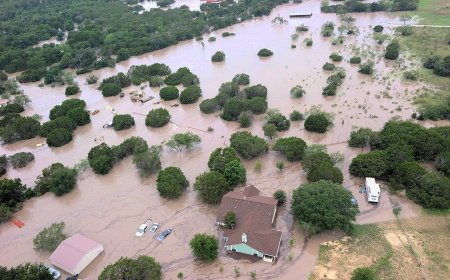
One of the biggest concerns is unplanned development. As land continues to be subdivided into smaller and smaller plots, pressure on infrastructure increases. Roads become congested, drainage systems become inadequate, and essential services struggle to keep up with population growth.
There is a growing fear among some observers that without proper urban planning, Juja Farm could evolve into a densely populated area with limited infrastructure—a situation that could negatively affect property values in the long term.
This is the paradox of rapid growth: what creates opportunity in the short term can create problems in the long term if not managed properly.
Is Juja Farm Still a Good Investment?
The answer depends on strategy.
For early investors, Juja Farm has already delivered significant returns. But even now, opportunities still exist—particularly for those who approach the market with clarity and discipline. The key is not just to buy land, but to buy the right land.
Well-planned developments, controlled subdivisions, and areas with clear infrastructure planning are likely to hold and grow value better over time. On the other hand, poorly planned zones may struggle despite the overall growth of the area.
Investors must also think beyond speculation. The future of Juja Farm will be shaped by actual use—housing, rental demand, and community development—not just land flipping.
The Bigger Picture: A Pattern Across Kenya
What is happening in Juja Farm is not unique. It is part of a broader pattern seen in areas surrounding Nairobi, including Ruiru, Kitengela, and Athi River. These regions are experiencing similar growth driven by urban expansion and affordability pressures.
This pattern reveals a deeper truth: real estate growth in Kenya is no longer confined to the city. It is spreading outward, creating new centers of opportunity—and new challenges.
Final Insight
Juja Farm represents both promise and caution. It is a place where wealth is being created, but also a place where poor decisions could lead to long-term consequences.
For the smart investor, the lesson is simple: do not chase hype—understand the structure behind the growth. Real estate rewards those who think long-term, who study patterns, and who invest with intention.
Juja Farm is not just a booming market. It is a case study in how opportunity is built—and how easily it can be lost.