




Integrating Renewable Energy Solutions into Kenyan Properties
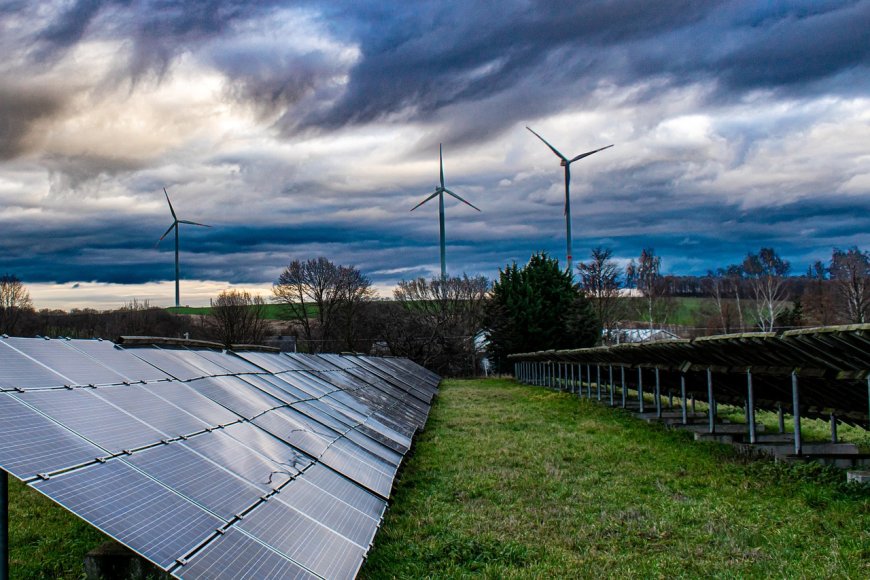
As Kenya continues to experience rapid urbanization and increased energy demands, the need for sustainable and affordable energy solutions has become more pressing. Renewable energy presents a viable alternative to conventional electricity sources, offering long-term cost savings, energy security, and environmental benefits. With Kenya’s strong commitment to renewable energy—demonstrated by significant investments in geothermal, solar, and wind power—property developers and homeowners have a unique opportunity to integrate clean energy solutions into residential, commercial, and industrial properties.
In this article, we explore the benefits of integrating renewable energy into Kenyan properties, key renewable energy options, government incentives, and practical steps for implementation.
1. The Benefits of Renewable Energy in Kenyan Real Estate
Adopting renewable energy solutions in properties offers numerous advantages for homeowners, developers, and businesses:
- Cost Savings on Electricity – With rising electricity costs and frequent power outages, renewable energy solutions provide a reliable and cost-effective alternative. Solar power, for example, significantly reduces electricity bills by supplementing or replacing grid power.
- Energy Security and Independence – Many regions in Kenya experience inconsistent electricity supply due to reliance on the national grid. Renewable energy allows properties to generate their own power, reducing dependency on the grid and minimizing disruptions.
- Environmental Sustainability – Renewable energy sources such as solar and wind power help reduce carbon footprints, decrease reliance on fossil fuels, and promote environmental conservation.
- Increased Property Value – Homes and commercial buildings equipped with renewable energy systems are more attractive to buyers and tenants, as they offer long-term savings and sustainability benefits.
- Government Incentives and Tax Benefits – The Kenyan government has introduced various policies, including tax exemptions and incentives, to encourage the adoption of renewable energy solutions in real estate.
2. Key Renewable Energy Solutions for Kenyan Properties
Kenya’s climate and natural resources make it an ideal location for various renewable energy solutions. Here are the most effective options for property owners:
a) Solar Energy Solutions
Kenya enjoys abundant sunshine throughout the year, making solar energy the most accessible and viable renewable energy solution for properties.
- Solar Photovoltaic (PV) Panels: These panels convert sunlight into electricity, which can power homes, businesses, and industrial facilities. Excess energy can be stored in batteries or fed into the national grid through net metering.
- Solar Water Heating Systems: These systems use solar energy to heat water, reducing reliance on electric or gas water heaters. The Energy (Solar Water Heating) Regulations mandate that all buildings consuming more than 100 liters of hot water per day install solar water heating systems.
- Off-Grid and Hybrid Solar Systems: Ideal for rural properties with limited grid access, off-grid systems store excess energy in batteries. Hybrid systems combine solar with grid power for greater reliability.
b) Wind Energy Solutions
Wind power is another promising renewable energy source, particularly in areas with strong and consistent wind patterns such as Turkana, Ngong, and the coastal region.
- Small-Scale Wind Turbines: These can be installed in residential or commercial properties to generate electricity for personal use or to supplement grid power.
- Hybrid Wind-Solar Systems: Combining wind and solar energy increases power reliability, especially in areas where sunlight is inconsistent but wind energy is available.
c) Geothermal Energy Solutions
Kenya is a global leader in geothermal energy, primarily used for large-scale power generation. However, property developers can explore smaller applications:
- Geothermal Heat Pumps: These systems use underground heat for space heating and cooling in residential and commercial buildings, reducing reliance on conventional air conditioning.
- Direct Geothermal Use: Some commercial properties, particularly hotels and spas, utilize geothermal hot springs for heating swimming pools and spa facilities.
d) Biogas and Biomass Energy
Organic waste from households, farms, and businesses can be converted into biogas or biomass energy.
- Biogas Digesters: These systems convert organic waste into clean cooking gas, reducing reliance on charcoal and liquefied petroleum gas (LPG).
- Biomass Energy Solutions: Wood pellets and agricultural waste can be used in energy-efficient stoves for cooking or heating, making them an alternative to traditional firewood.
3. Government Incentives and Policies Supporting Renewable Energy
The Kenyan government has implemented various policies to promote renewable energy adoption:
- Value-Added Tax (VAT) Exemptions: Solar panels, batteries, inverters, and wind turbines are exempt from VAT, making them more affordable for consumers.
- Feed-in Tariff (FiT) Policy: This policy allows independent power producers to sell excess renewable energy to the national grid, creating an opportunity for commercial property developers to generate income from renewable energy installations.
- Net Metering System: This allows property owners to export surplus solar or wind energy to the grid and receive credits on their electricity bills.
- Green Building Certification: Buildings that incorporate renewable energy and energy-efficient designs can receive green certification, increasing their value and appeal.
4. Practical Steps for Integrating Renewable Energy into Properties
For property owners and developers looking to integrate renewable energy solutions, the following steps are essential:
a) Conduct an Energy Audit
Before investing in renewable energy, assess your property’s energy consumption and needs. A professional energy audit helps determine the best renewable energy system and potential savings.
b) Choose the Right Renewable Energy Solution
Select a renewable energy option based on your location, energy requirements, and budget. For example:
- Solar power is ideal for most Kenyan properties due to abundant sunlight.
- Wind energy is more suitable for areas with consistent wind patterns.
- Geothermal solutions work best for commercial properties near geothermal hotspots.
c) Work with Certified Renewable Energy Experts
Engage licensed professionals for installation to ensure safety, efficiency, and compliance with government regulations.
d) Explore Financing and Incentives
Take advantage of government incentives, grants, and financing options available for renewable energy projects.
e) Maintain and Monitor the System
Regular maintenance of solar panels, wind turbines, and biogas systems ensures longevity and efficiency. Property owners should also monitor energy production and consumption for optimal performance.
5. The Future of Renewable Energy in Kenyan Real Estate
The demand for clean energy solutions in Kenya is expected to rise as sustainability becomes a priority for homeowners, businesses, and investors. Advancements in battery storage, smart grids, and green building technologies will further enhance the efficiency and affordability of renewable energy solutions.
As developers, landlords, and homeowners embrace renewable energy, Kenya’s real estate sector will benefit from:
- Increased investment in eco-friendly housing developments.
- The growth of smart and sustainable cities.
- Greater energy efficiency, leading to long-term cost reductions.
Conclusion: A Sustainable Future for Kenyan Properties
Integrating renewable energy solutions into Kenyan properties is not just a trend—it’s a necessity for sustainable development. With abundant natural resources, government incentives, and growing consumer demand for energy efficiency, now is the perfect time for property owners and developers to invest in clean energy. Whether through solar, wind, geothermal, or biogas solutions, renewable energy adoption will enhance property value, reduce costs, and contribute to a greener future for Kenya.
By taking proactive steps today, property owners can secure long-term energy savings while playing a crucial role in Kenya’s transition to a sustainable and energy-efficient real estate sector.